The Bondage of the Will
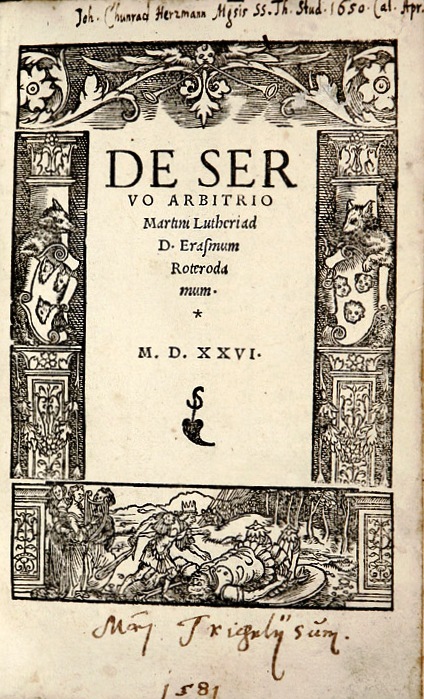
Martin Luther wrote De servo arbitrio, commonly translated The Bondage of the Will, in answer to Desiderius Erasmus’s 1524 Discussion on Free Will. Luther regarded the controversy as central because it joined the doctrines of sin, grace, divine sovereignty, human responsibility, and the certainty of God’s promises.
The copy provided here is the complete Christian Classics Ethereal Library PDF. It uses Henry Cole’s 1823 English translation, with later prefatory material by Henry Atherton. CCEL permits the unmodified file to be copied for noncommercial purposes, and the file has been preserved without alteration.
Source: Christian Classics Ethereal Library. Readers should note that this historic translation retains older English usage and that Luther’s polemical language can be severe. Its enduring importance lies in the central argument: fallen people act willingly, yet only divine grace can free the will to trust and love God.